

Last month was Suicide Awareness Month. However, even though it is halfway through October, awareness is awareness. This article will be examining the results of an anonymous survey the Cor Chronicle published on suicide and mental health.
The first question asked the participants to rate how much they relate to the statement “I struggle with personal mental health problems in general (i.e. stress)” on a scale of 1-10. Not a single participant chose an option below 5.

It is not surprising our participants all agreed, to some varying degrees, that they struggle with mental health problems. There has been a trend in recent years for people to practice more self-awareness and to recognize and track their mental health as they would their physical. In fact, over 75% of the participants listed some form of neurodivergency (ADHD, OCD, clinical depression, anxiety) as a significant factor in their mental health struggles. From the results of the survey, the academic environment at UD also plays a role in students’ mental health struggles, but to a slightly lesser degree (68.9%).
However, the main purpose of the survey and this article is not to determine the causes of mental health, but to examine whom UD students tend to confide in and seek help from.
It is surprising to note that most of the participants listed their families as the least likely place to seek help from or talk to about mental health and suicide. It is a generally accepted fact amongst our generation that there is a certain communication barrier between ourselves and our parents with these sorts of topics.
What is surprising about the article was that most UD students surveyed did not consider their religious leaders or institutions as a place to seek help about mental health problems.
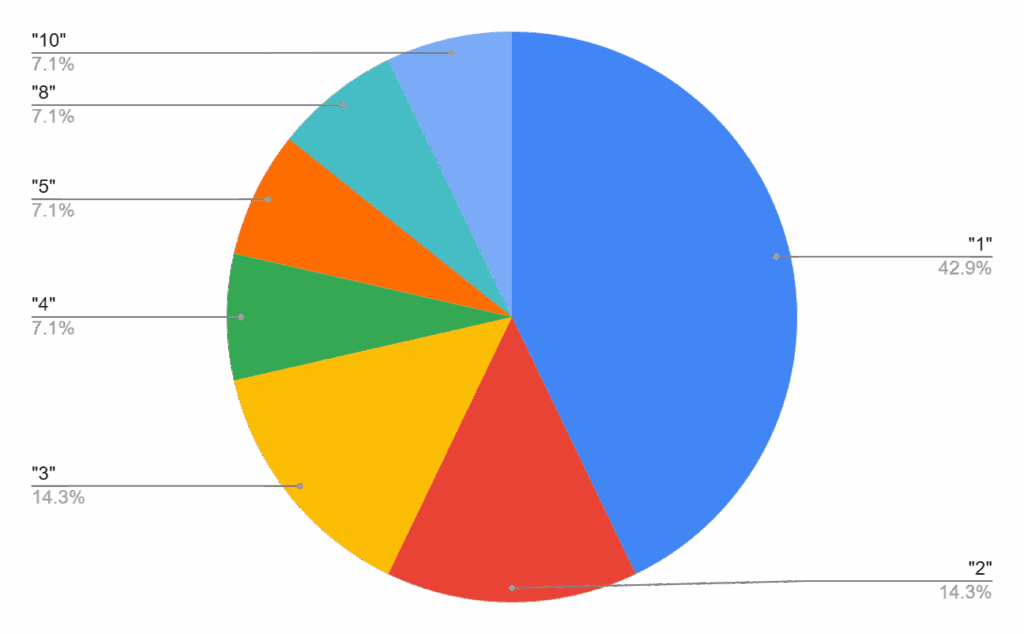
When asked about merely communicating their mental health problems, or even broaching the subject of suicide, to their religious leaders, the results were the same. More than half of the participants answer below “5” on a 1-10 scale. Note: There were always a good two or three participants who would answer “8” or up, but they were definitely in the minority.
This hesitancy to reach out to religious leaders about suicide and mental health was a surprise since UD prides itself on being such a staunchly Catholic community. Speaking from personal experience, a response I have heard from those I would consider my religious and spiritual leaders is that “mental health does not exist; it is merely a way the devil tries to steal your soul. All you need to do is pray more and believe in God more.” When this method of therapy did not “cure” me, I formed a hesitancy to reach out again to my religious leaders about mental health. There is also a tendency, again speaking from personal experience, to villainize suicide or suicidal thoughts, which can create that fear and hesitancy.
The community of people that received the most positive responses, even over professional counselors, were the participants’ friend groups. Below is a graph presenting the results to the questions “I seek help with my mental health from my friends, peers, and/or classmates” on the 1-10 scale. Over 65% of participants ranked their friend groups above a “5,” which, while not terribly high, is still more than when asked about the UD counseling center (just over 40% ranked above “5”).
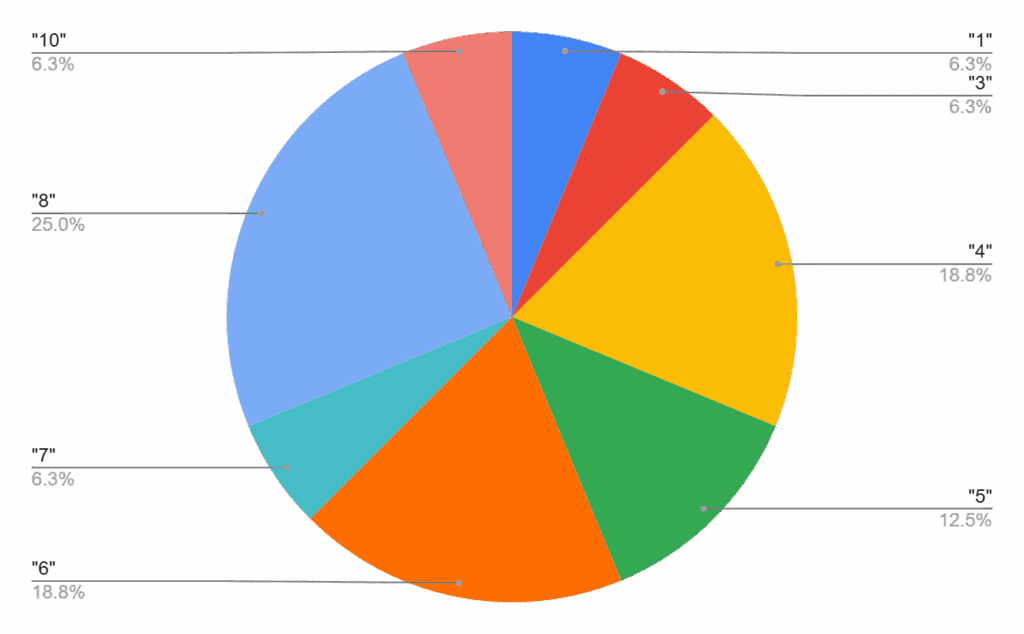
There are of course pros and cons to feeling comfortable to talking with your friends about your mental health and suicide. There’s less stigma and a lot more healthy communication already established with your peers. Also, greater accessibility to friends than formal therapy is what may have drawn the participants to such a high rating.
The most obvious con however, is that typically for UD college students your friends are not going to replace professional therapists (even the psych major ones). One distinction to make is that 65% of the participants still considered the UD counseling a good place to seek help even if they themselves do not take part in it.
There is a fine line. But for the most part, it is good to see that UD students do have some level of support for their mental issues even if it isn’t in their families, religion or counseling centers.
To conclude, I think there are stereotypes surrounding families, parents specifically, and the Church concerning their stance on mental health and suicide prevent open communication, but sometimes it may be for the better for the young person if true, positive effects come from them. This is why a community where a person with mental health issues, or just neurodivergency, is present is just as good. But at the end of the day, go to therapy, even if you don’t think you need to. Just go.